

The Thrill of Uncertainty
Casino gambling is fundamentally driven by the thrill of uncertainty, which plays a crucial role in attracting players. This element of unpredictability is what makes gambling appealing; individuals often find excitement in the unknown outcomes. The flickering lights and sounds of slot machines, combined with the rush of winning or the disappointment of losing, create a highly stimulating environment where players might enjoy the best online casino in new zealand for an enhanced experience. This ambiance taps into the human brain’s reward system, stimulating the release of dopamine, a neurotransmitter associated with pleasure and reward. As players experience wins, no matter how small, they are often motivated to continue playing in hopes of more significant victories.
This anticipation of potential wins feeds into the psychology of risk-taking. Many individuals enjoy the thrill that comes with taking risks, which can provide an adrenaline rush. This risk-taking behavior can stem from various psychological factors, including personality traits such as sensation-seeking. Studies have shown that people who score higher on sensation-seeking scales are more likely to engage in gambling activities, drawn by the excitement and adrenaline that comes from uncertain outcomes. Casinos leverage this by creating environments where the possibility of high rewards is always present, tapping into the innate desire for excitement and adventure.
The concept of ‘loss aversion’ also plays a significant role in how individuals engage with gambling. Psychologically, humans tend to feel the pain of losses more acutely than the pleasure of wins. This means that players may continue to gamble to recover their losses, hoping for that one big win that will make it all worthwhile. This cycle can lead to compulsive gambling behaviors, where individuals find themselves trapped in a loop of chasing their losses. Understanding the thrill of uncertainty helps to explain why many are drawn to casinos in the first place, despite the risks involved.
The Illusion of Control
Another psychological phenomenon at play in casino gambling is the illusion of control. Players often believe they can influence the outcome of their gambling activities, whether playing cards or rolling dice. This illusion is powerful and can be attributed to cognitive biases that lead individuals to overestimate their ability to predict outcomes in uncertain situations. For example, a poker player may believe that their skills can consistently lead to better results, despite the inherent randomness of the game. This false sense of control can enhance the enjoyment and engagement of the game, further entrapping individuals in the gambling cycle.
This cognitive bias is not limited to skilled games; even in pure chance games, such as lotteries, players might feel they have a winning strategy. They may choose specific numbers based on personal significance or patterns they perceive, which reinforces the belief that they can tilt the odds in their favor. This behavior can make the gambling experience more engaging, allowing players to feel a sense of agency in an environment primarily governed by chance. As a result, even when players are losing, the belief that they have some control can keep them invested in the game.
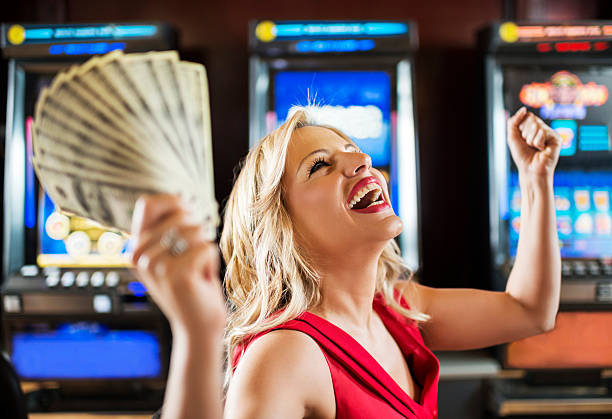
The illusion of control is further intensified by the way casinos design their games and environments. Many designers incorporate features that foster this belief, such as allowing players to make choices that seem to affect the game outcome. This can include selecting numbers, deciding how much to bet, or even choosing the order of cards. By giving players a semblance of control, casinos increase their attraction, leading to more prolonged engagement. Understanding this psychological aspect can shed light on why many individuals find themselves spending significant time and money at gambling establishments.
The Role of Social Interaction
Social interaction is another significant factor in casino gambling psychology. Casinos are designed to be social spaces where people interact and form connections, which can enhance the overall gambling experience. Whether it’s cheering on a friend at a blackjack table, engaging in conversations with fellow players, or even sharing tips and strategies, these social elements can create a sense of community. This communal atmosphere can be particularly captivating, encouraging individuals to return not just for the thrill of gambling but also for the social engagement that comes with it.
Moreover, the presence of others can amplify the emotional highs and lows associated with gambling. Celebrating wins becomes a shared experience, creating bonds and memories that extend beyond the game itself. Conversely, when losses occur, having fellow players to commiserate with can alleviate some of the negative feelings associated with losing. This shared experience can foster loyalty to the casino or gambling group, as individuals associate their enjoyment not just with the act of gambling but with the relationships formed within that context.
The aspect of social interaction can also lead to the phenomenon of groupthink, where individuals within a group may make decisions or adopt behaviors they might not engage in alone. For example, a person may feel pressure to continue gambling when surrounded by enthusiastic friends, even if they are on a losing streak. This dynamic can lead to increased gambling activity, feeding into both the psychological and financial aspects of casino engagement. Understanding the social dimensions of gambling illuminates the complex interplay between individual psychology and group behavior in casinos.
The Impact of Rewards and Gamification
The psychological impact of rewards and gamification in casino gambling cannot be overstated. Casinos utilize a myriad of reward systems that aim to keep players engaged and returning for more. This includes loyalty programs that offer players points for every bet placed, which can be redeemed for bonuses, free plays, or other perks. This system not only incentivizes additional play but also creates a psychological commitment where players feel compelled to continue gambling in order to reap the benefits associated with their loyalty. The psychology of rewards taps into the brain’s mechanisms for motivation, making players more likely to engage in continued gambling behavior.

Additionally, gamification elements such as leaderboards, achievement badges, and challenges contribute to the excitement surrounding casino games. These features create an environment where players feel they are always striving for more, whether it’s climbing to a higher status in a loyalty program or achieving a specific reward milestone. The thrill of competition, even if it’s self-directed, can enhance the gambling experience, encouraging individuals to spend more time and money in pursuit of these goals. This constant quest for rewards can lead to longer gaming sessions and increased spending, further entrenching individuals in the gambling landscape.
The powerful role of rewards and gamification highlights how casinos effectively leverage psychological principles to enhance player engagement. By understanding these elements, players can better assess their motivations and approach to gambling. Recognizing the psychological traps that rewards can create may help individuals make more informed decisions about their gambling habits, fostering a healthier relationship with games of chance.
Conclusion: Understanding Casino Psychology
Exploring the psychology behind casino gambling reveals a complex interplay of emotional, cognitive, and social factors that influence how individuals engage with gambling activities. From the thrilling uncertainty of potential outcomes to the illusion of control and the importance of social interactions, each psychological element plays a significant role in drawing people into the casino environment. Recognizing these factors helps to explain why many individuals find themselves captivated by gaming establishments, often time and again.
Moreover, understanding these psychological elements is essential for players who wish to navigate casino environments responsibly. Being aware of how uncertainty, control, social influences, and rewards shape gambling behaviors can empower individuals to make more informed choices about their gaming activities. Additionally, it can encourage a more mindful approach to gambling, promoting enjoyment without excessive risk-taking or compulsive behaviors.
As we continue to delve into the fascinating world of casino psychology, it becomes increasingly clear that our motivations for gambling are deeply rooted in human nature. By fostering a greater understanding of these underlying psychological processes, players can better engage with their experiences, ensuring that their time in casinos remains enjoyable and within healthy boundaries. Understanding the psychology of casino gambling not only enriches the gaming experience but also promotes a more responsible approach to this popular form of entertainment.
